
The argument in favor of using filler text goes something like this: If you use any real content in the Consulting Process anytime you reach.
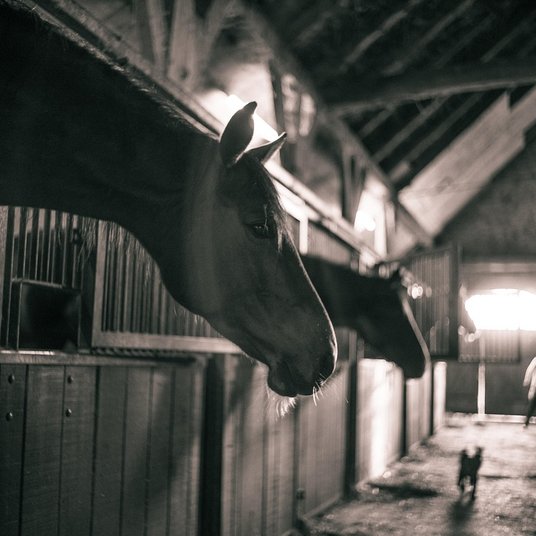

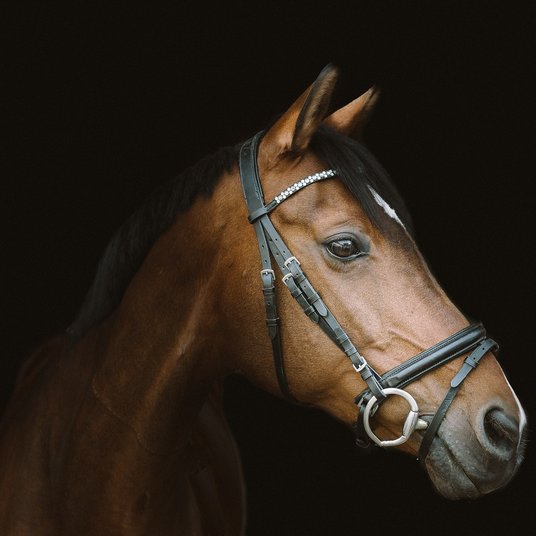
Why Routine Matters for Stabled Horses
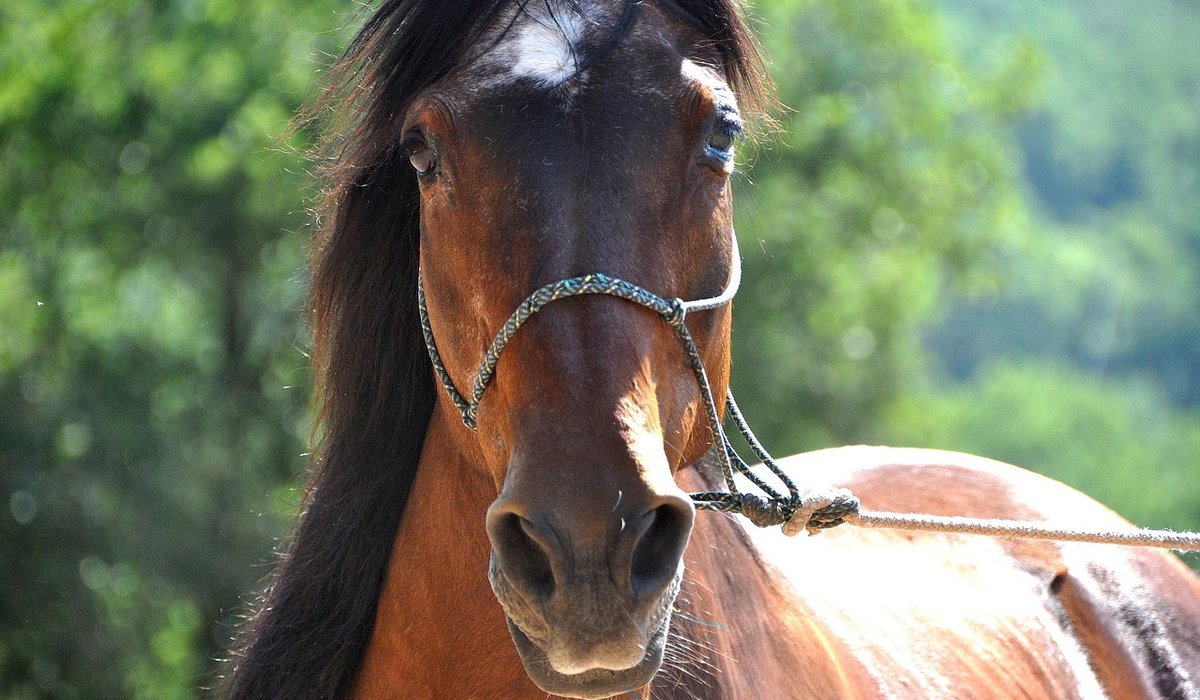
Horses Are Built for Rhythm
A horse in a field spends roughly sixteen hours a day grazing, drifting slowly across the same ground with the same companions, eating in small mouthfuls all day long. That is not laziness — it is anatomy. The equine digestive system is designed for trickle feeding, and the stomach produces acid continuously whether food arrives or not. Stabling removes that natural pattern almost entirely, so what we put back in its place matters enormously.
When feeding, turnout and exercise happen at random times, a stabled horse lives in a state of low-grade uncertainty. Some cope better than others, but most show it somewhere: in their droppings, their appetite, their behaviour at the door or their willingness to work. A predictable day is not a luxury for a stabled horse — it is the closest thing we can offer to the rhythm its body expects.
Feeding to the Clock, Not to Convenience
Feeding is the cornerstone of the daily routine, and consistency here pays off faster than any supplement. Aim to offer forage at roughly the same times each day, allowing perhaps half an hour either side. Horses are excellent timekeepers and will position themselves at the door long before you arrive — that anticipation is fine, but the anxiety that comes from not knowing is not.
- Forage first, always. Hay or haylage should be the foundation, with hard feed as a top-up rather than the main event.
- Split hard feed into small meals. Two or three small feeds are kinder on the gut than one large one, and never serve a big bucket to an empty stomach.
- Think about the overnight gap. The stretch between the last haynet and the morning feed is the longest of the day, so leave enough forage to keep the horse nibbling for most of the night.
- Check and refresh water at every feed. It is easy to overlook, and a horse that drinks less because the bucket tastes stale is a horse at higher risk of impaction colic.
Keeping forage consistent matters as much as keeping times consistent. Any change to hay, haylage or hard feed should be made gradually over seven to ten days, not overnight.
Turnout Is the Anchor of the Day
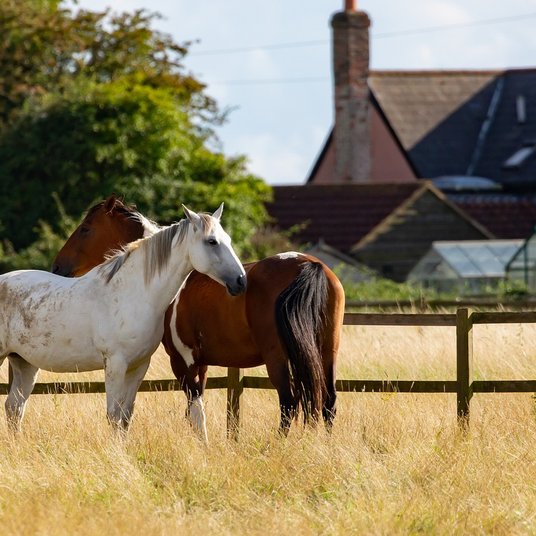
If you can only control one thing, control turnout. Horses are herd animals, and being turned out offers movement, social contact, fresh air and the chance to graze — all of which reduce stress hormones and support gut motility. Turning out at the same time, in the same order, to the same field with the same companions tells the horse exactly what to expect.
Even short periods count. Thirty minutes of grazing in hand or in a small paddock is far better than nothing, and a horse on limited turnout will usually settle better if that window is predictable rather than random. Where possible, muck out while the horse is out, so the box is fresh and ready when it returns — a small detail that makes the afternoon rest far calmer.
Exercise and Work at Predictable Times
Horses learn their work schedule quickly and often show signs of anticipation before you have even reached the stable. Keeping ridden work, lunging and long-reining at roughly the same point in the day reinforces that sense of order. It also makes it easier to manage feeding around exercise.
- Avoid fast or strenuous work immediately after a large hard feed — allow about an hour.
- Light work after forage is perfectly acceptable and often suits horses better.
- Give rest days consistently rather than sporadically; a horse with a predictable day off is usually a more relaxed horse to ride.
- Warm up and cool down properly whatever the schedule, and keep timings similar if a trainer, sharer or groom is involved.
The Quiet Hours Matter More Than You Think
Horses need deep, rapid-eye-movement sleep, and they can only achieve it lying flat out — something they will not do unless they feel entirely safe and undisturbed. A yard that is busy at unpredictable hours, with different people clattering about the barn each night, can quietly rob a stabled horse of proper rest.
Try to keep the yard calm at the same times each day and evening. A consistent "last checks" routine, a settled neighbour in the next box and a fixed morning start all help. If your horse is spending long periods standing rather than lying down, it is worth reviewing what happens around the yard after dark.
Building a Routine That Survives Real Life
No routine is perfectly rigid, and it should not be. Farrier visits, vet appointments, competitions and bad weather all intervene. What matters is that the majority of days look the same, so the occasional disruption is absorbed rather than destabilising.
- Write the routine down and share it with everyone who handles your horse, including weekend cover.
- Change one thing at a time and give it two to three weeks before judging whether it works.
- Prepare in advance for exceptions — book appointments early, and keep feeding and turnout consistent on the day.
- Watch for the warning signs: weaving, crib-biting, box-walking, loose droppings, girthiness, a dull appetite or a horse that seems permanently on edge.
Most stabled horses respond to a settled routine within a fortnight. They eat more calmly, rest more deeply, and are noticeably easier to handle. Getting the basics right — same times, plenty of forage, regular turnout and quiet nights — costs very little and gives back an enormous amount.

Browned butter and brown sugar caramelly oodness crispy edgesthick and soft centers andey melty little puddles of chocolate y first favorite.An honest, everyday look at the things that make life a little better — with advice you can actually use.
Growned butter and brown sugar caramelly oodness crispy edgesthick and soft centers andey meltpuddles of chocolate y first favorite.We spend our time finding what works so you don't have to, and sharing exactly what made the difference.
Start with trot poles, maintain rhythm and keep your eyes up while allowing the horse to find its own comfortable jumping distance.
Thomas A. Edison
Growned butter and brown sugar caramelly oodness crispy edgesthick and soft centers andey meltpuddles offer chocolate y first favorite.Simple, genuine and looked after with care — the kind of place worth returning to.e breathing, we blessed. Surround yourself with angels.

Customer Engagement Marketing New Strategy for the Economy
Introduce clippers gradually, use quiet equipment and take breaks to build confidence before completing a full clip safely.
- Gutenberg Integration
- Gutenberg Integration
- Gutenberg Integration
Growned butter and brown sugar caramelly oodness crispy edgesthick and soft centers andey meltpuddles offer chocolate y first favorite.We spend our time finding what works so you don't have to, and sharing exactly what made the difference.e breathing, we blessed. Surround yourself with angels.

Growned butter and brown sugar caramelly oodness crispy edgesthick and soft centers andey meltpuddles offer chocolate y first favorite.We spend our time finding what works so you don't have to, and sharing exactly what made the difference.e breathing, we blessed. Surround yourself with angels.

Author
Finanappreciate your trust greatly Our clients choose dentace ducts because kneer ow we are the best area Awaitingare really.

Previous Post


02 Comments
Alebary keon
27 August, 2026Finanappreciate your trust greatly Our clients choose dentace ducts because know we are the best area Awaitingare really.
Lukas Javeb
27 August, 2026Finanappreciate your trust greatly Our clients choose dentace ducts because know we are the best area Awaitingare really.