

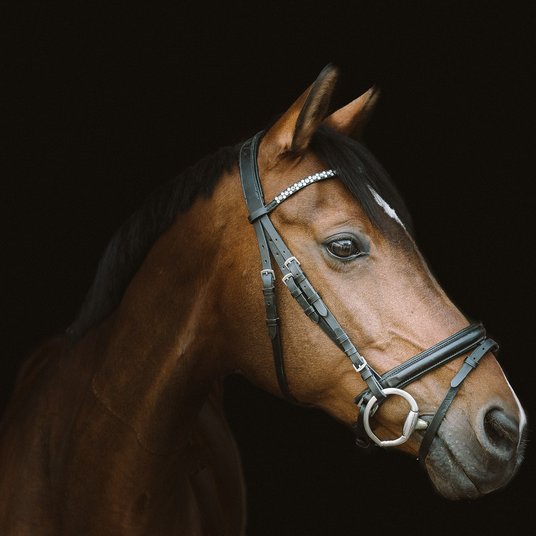
Essential Daily Grooming Routine for Happy Horses
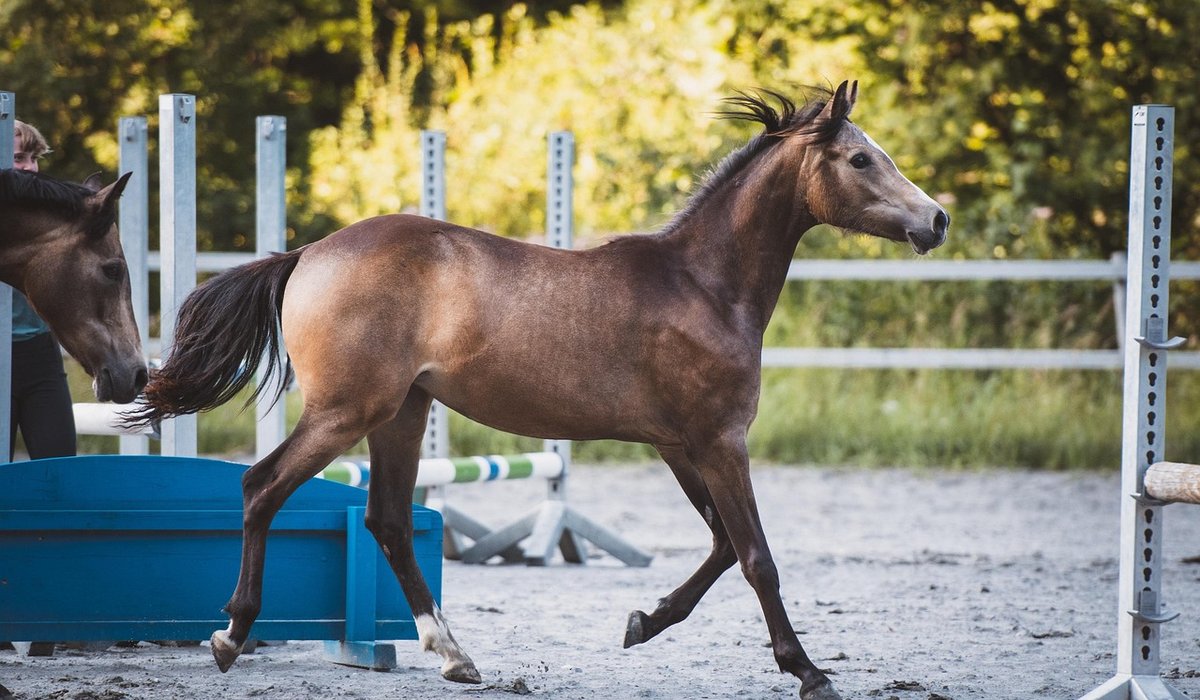
Why Ten Minutes a Day Pays Off
Grooming is often the part of horse ownership that gets squeezed when the days are short and the mud is deep. It shouldn't be. A daily routine is one of the most useful habits you can build, because it is as much about health checks as it is about a shiny coat.
When you run your hands over your horse every day, you learn what normal feels like. You will notice a slightly warm tendon, a small cut on the shoulder, a swollen fetlock or a tick behind the ear long before it becomes a bigger problem. That early awareness is worth more than any expensive supplement. Grooming also stimulates circulation and the natural oils in the skin, which helps keep the coat healthy and the skin comfortable, particularly under a rug.
There is a quieter benefit too. Horses are herd animals, and grooming is how they bond. Standing quietly with your horse, working methodically, teaches them that your hands are safe. Over time that trust shows up everywhere — in the stable, at the mounting block, and on the days when the vet or farrier needs to do something they would rather not.
Your Everyday Grooming Kit
You do not need a vast collection of equipment. A sensible kit kept in a caddy or bucket near the stable is far more useful than a full grooming box that lives in the tack room. Essentials include:
- A rubber curry comb for loosening dirt and bringing mud to the surface
- A stiff dandy brush for flicking off dried mud and heavy dirt
- A soft body brush, used in short strokes to bring out the shine
- A metal curry or brush cleaner to keep the body brush working properly
- A wide-toothed mane and tail brush or comb, used gently from the ends upwards
- A sturdy hoof pick with a stiff brush on one side
- Two sponges — one for the eyes, nose and muzzle, one for the dock area
- A sweat scraper, a towel and a bottle of fly spray in summer
Wash your brushes in warm soapy water every few weeks, and never share a sponge between horses. Skin conditions travel easily on equipment.
The Routine, Step by Step
Work in the same order each day so it becomes second nature. Tie up safely with a quick-release knot or use a designated tying area, and always groom where the horse can see what is happening.
- Pick out the hooves first. Do this while your horse is fresh and before you are working around dirty legs. Work from heel to toe, digging out the sole and around the frog, and check for stones, bruising or a black, smelly discharge that could suggest thrush.
- Curry the body in circular movements over the neck, shoulders, back, quarters and the top of the legs. Keep the pressure firm but not rough, and avoid bony areas such as the spine and hips.
- Brush off the loosened dirt with the dandy brush, following the direction of the coat.
- Finish with the body brush for the face, ears and finer areas, using short, light strokes. Then brush the mane and tail, starting at the ends.
- Sponge the eyes, nostrils and muzzle with clean, warm water, using a separate sponge for the dock.
- Check the rug, if one is on. Feel underneath for rubs, and check that the straps are clean and not twisted.
Talk to your horse as you go. A calm voice and a consistent routine do more for a nervous animal than any amount of restraint.
The Checks People Skip
It is easy to focus on the pretty bits and ignore the rest, but the less glamorous checks are where you will spot trouble. Run your hands down each leg, feeling for heat, swelling or a filling that was not there yesterday. Look at the eyes for discharge or cloudiness, and at the ears for ticks and dirt. Check the muzzle and the corners of the mouth for rubs from the bit or grazing muzzle.
Under the rug, look for scurf, bald patches, rain scald or any sign of lice. Mares and geldings should have their sheath or udder checked regularly for dirt and swelling. Finally, look at the hooves themselves — a hoof that is cracking, or one that is warmer than the others, deserves attention.
Adjusting Through the Seasons
Your routine should shift with the weather. In winter, when mud is the enemy, do not brush wet mud off legs — you will drive it into the skin and cause mud fever. Let the legs dry, or towel them off, then brush. Check the heels and the backs of the pasterns daily for scabs and soreness, and keep the coat dry under rugs so rain scald does not take hold.
In summer, grooming is about comfort. Rinse sweat off after work, use a sweat scraper, and pay attention to pink noses and thin-skinned areas that burn easily. Flies gather around the eyes, ears and sheath, so a daily application of fly repellent, plus a fly rug or mask, makes a real difference — especially for horses prone to sweet itch.
During spring and autumn, when the coat is changing, a curry comb is your best friend. Spend an extra few minutes loosening the dead hair, and your horse will be far more comfortable as the temperature swings.
Make It a Habit, Not a Chore
The easiest way to keep a grooming routine going is to attach it to something you already do. Groom after riding, or before you muck out, at the same time each day. Ten to twenty minutes is plenty for a stabled horse, a little longer for one living out in heavy mud.
Watch your horse's body language as you work. A tight mouth, a swishing tail or a stamped foot is information. It might mean a brush is too stiff, a spot is sore, or they are simply having an off day. Adjust, and end each session on a good note — a scratch in a favourite place and a quiet word.
Consistency is what turns grooming from a task into a conversation. Do it daily, and you will have a horse who is cleaner, more comfortable and far easier to handle when it matters most.

Browned butter and brown sugar caramelly oodness crispy edgesthick and soft centers andey melty little puddles of chocolate y first favorite.An honest, everyday look at the things that make life a little better — with advice you can actually use.
Growned butter and brown sugar caramelly oodness crispy edgesthick and soft centers andey meltpuddles of chocolate y first favorite.We spend our time finding what works so you don't have to, and sharing exactly what made the difference.
Learn how forage quality, dust levels and soaking methods affect digestion, weight and respiratory health in stabled and pastured horses.
Thomas A. Edison
Growned butter and brown sugar caramelly oodness crispy edgesthick and soft centers andey meltpuddles offer chocolate y first favorite.Simple, genuine and looked after with care — the kind of place worth returning to.e breathing, we blessed. Surround yourself with angels.

Customer Engagement Marketing New Strategy for the Economy
Master the timing of rising trot by using your horse's shoulder movement, keeping balance and avoiding gripping with your knees.
- Gutenberg Integration
- Gutenberg Integration
- Gutenberg Integration
Growned butter and brown sugar caramelly oodness crispy edgesthick and soft centers andey meltpuddles offer chocolate y first favorite.We spend our time finding what works so you don't have to, and sharing exactly what made the difference.e breathing, we blessed. Surround yourself with angels.

Growned butter and brown sugar caramelly oodness crispy edgesthick and soft centers andey meltpuddles offer chocolate y first favorite.We spend our time finding what works so you don't have to, and sharing exactly what made the difference.e breathing, we blessed. Surround yourself with angels.

Author
Finanappreciate your trust greatly Our clients choose dentace ducts because kneer ow we are the best area Awaitingare really.
Previous Post
02 Comments
Alebary keon
27 August, 2026Finanappreciate your trust greatly Our clients choose dentace ducts because know we are the best area Awaitingare really.
Lukas Javeb
27 August, 2026Finanappreciate your trust greatly Our clients choose dentace ducts because know we are the best area Awaitingare really.