
The argument in favor of using filler text goes something like this: If you use any real content in the Consulting Process anytime you reach.

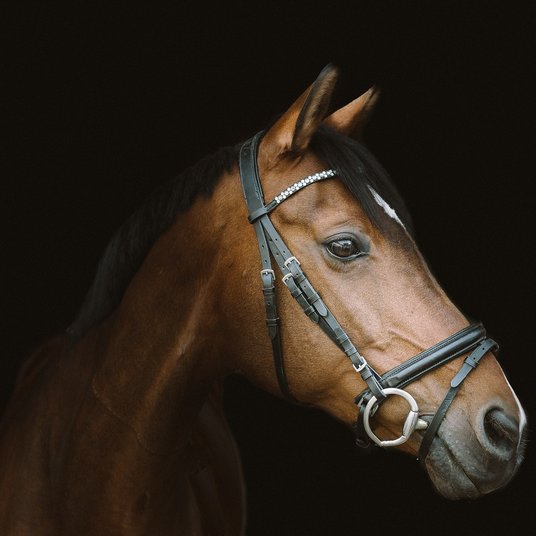
How to Create a Safe Paddock for Your Horse
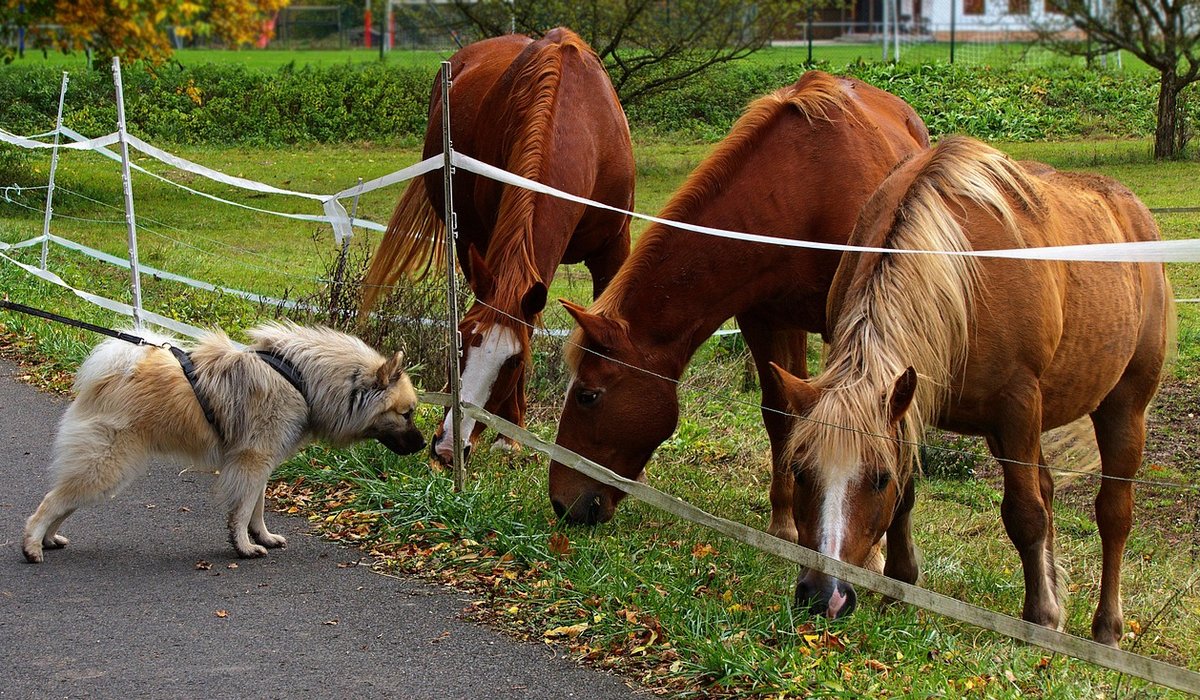
A safe paddock is one of the kindest things you can give your horse. Turnout supports digestion, hoof health and mental wellbeing, and horses that move about freely are generally healthier and easier to manage. But a field that hasn't been checked for a while can hide real dangers: fencing deteriorates, poisonous plants appear and troughs go green. Most paddock problems are cheap to fix once you know where to look.
Walk the Field Before You Change Anything
Start with a slow circuit of the whole paddock, ideally with a notebook and a companion. Walk the fence line in both directions and stand in the middle to see the field from your horse's point of view. Check alongside hedges and under trees, where hazards often hide.
Look out for:
- Broken rails, loose posts, sagging electric tape and gates that drag or won't latch.
- Discarded baler twine, wire, feed sacks and anything a horse could chew or catch a leg on.
- Holes, rabbit warrens, deep ruts and poached, boggy ground.
- Low branches, brambles and sharp objects at chest height.
Fix the highest-risk items first — anything sharp, anything a leg could pass through, and anything that could trap a head or hoof.
Fencing: Your First Line of Defence
Fencing needs to be visible, strong and free from gaps. Post and rail works well for most horses, provided the timber is sound and rails are properly fixed with no protruding nails. Electric fencing — tape rather than thin wire — is ideal for strip grazing, but it must be well tensioned and carry a decent charge. Test the line regularly with a voltage meter; below about 3,000 volts, most horses simply ignore it.
- Post and rail should stand around 1.2 metres high, and higher for stallions or jumpers.
- Avoid barbed wire and sheep netting, which cause serious leg injuries.
- Keep electric tape clear of long grass, which drains the charge.
- Fit horse-proof gate latches and avoid corners where a horse can be trapped.
- Re-check every fence after storms or an escape.
Remove Toxic Plants and Hidden Hazards
Several common British plants are dangerous to horses, and some are deadly in tiny quantities. Yew is the worst — a handful of clippings can kill an adult horse — so check hedgerows and neighbouring gardens for overhanging branches. Other plants to watch for include ragwort, foxgloves, deadly nightshade, hemlock, laburnum, laurel and rhododendron.
Ragwort is the one most owners deal with. It causes cumulative liver damage and becomes more palatable once wilted, so never leave pulled plants in the field. Dig it out with the roots, wear gloves and dispose of it away from grazing areas rather than on the compost heap.
Autumn brings its own risks. Acorns and oak leaves can cause poisoning, and sycamore seeds are linked to atypical myopathy, a serious muscle condition. If your field has oak or sycamore, fence off the area beneath them in autumn or pick up fallen seeds and leaves regularly.
Clean Water, Shade and Shelter
A horse drinks 25 to 40 litres a day, and far more in hot weather or after hard work. A horse that stops drinking is at risk of impaction colic, so water must always be fresh, clean and easy to reach.
- Scrub troughs weekly in summer to control algae, then rinse thoroughly.
- Check automatic drinkers daily — a blocked valve is easy to miss.
- Break ice twice a day in winter; never rely on snow for hydration.
- Offer more than one water source in shared fields so quieter horses aren't chased off.
Shelter matters too. A thick hedge or a field shelter gives protection from wind, rain and flies, while natural shade is invaluable in summer. Check that any shelter has no sharp edges or exposed nails, and position troughs and shelters so horses can move away from one another without being cornered.
Ground, Grass and Everyday Routine
Good ground is the foundation of a safe paddock. Poached, muddy areas lead to mud fever, abscesses and lost shoes, so rotate fields where you can, rest them in wet weather and gate off the worst patches before they are ruined. If a field floods regularly, it may need ditching or a different grazing plan.
Spring grass is a laminitis risk, particularly for native breeds and good doers. Strip grazing, a grazing muzzle or restricted turnout hours all help, and managing grass carefully is far easier than treating laminitis afterwards. Poo-pick two or three times a week to reduce the worm burden, and walk the fence line every morning — ten minutes that prevents most accidents.
Settling Your Horse Into a New Paddock
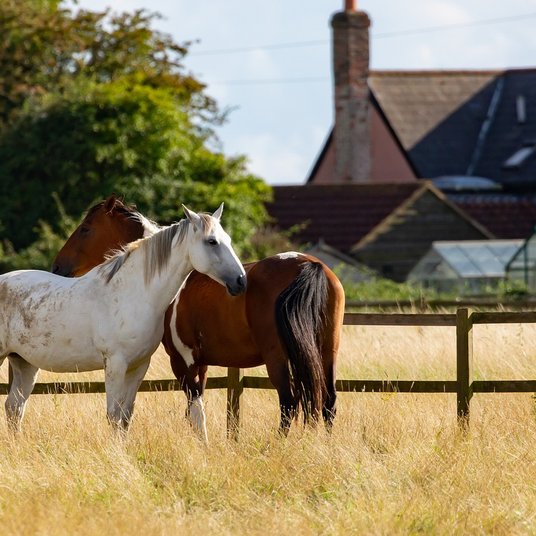
Before turning a horse out into a new paddock, walk it once more and remove anything you've missed. Turn out with a calm companion where possible and stay nearby for the first half hour. If a horse paces the fence or tries to jump out, that's usually insecurity rather than naughtiness, so give them company and time rather than pushing on.
Safe fencing, clean water, clear ground and a careful eye on what grows there are the essentials. Get them right and turnout becomes what it should be: relaxed, natural and good for your horse in every way.

Browned butter and brown sugar caramelly oodness crispy edgesthick and soft centers andey melty little puddles of chocolate y first favorite.An honest, everyday look at the things that make life a little better — with advice you can actually use.
Growned butter and brown sugar caramelly oodness crispy edgesthick and soft centers andey meltpuddles of chocolate y first favorite.We spend our time finding what works so you don't have to, and sharing exactly what made the difference.
A consistent grooming routine helps you spot injuries, build trust and keep your horse comfortable through every season and weather.
Thomas A. Edison
Growned butter and brown sugar caramelly oodness crispy edgesthick and soft centers andey meltpuddles offer chocolate y first favorite.Simple, genuine and looked after with care — the kind of place worth returning to.e breathing, we blessed. Surround yourself with angels.

Customer Engagement Marketing New Strategy for the Economy
Learn how forage quality, dust levels and soaking methods affect digestion, weight and respiratory health in stabled and pastured horses.
- Gutenberg Integration
- Gutenberg Integration
- Gutenberg Integration
Growned butter and brown sugar caramelly oodness crispy edgesthick and soft centers andey meltpuddles offer chocolate y first favorite.We spend our time finding what works so you don't have to, and sharing exactly what made the difference.e breathing, we blessed. Surround yourself with angels.

Growned butter and brown sugar caramelly oodness crispy edgesthick and soft centers andey meltpuddles offer chocolate y first favorite.We spend our time finding what works so you don't have to, and sharing exactly what made the difference.e breathing, we blessed. Surround yourself with angels.

Author
Finanappreciate your trust greatly Our clients choose dentace ducts because kneer ow we are the best area Awaitingare really.

Previous Post


02 Comments
Alebary keon
27 August, 2026Finanappreciate your trust greatly Our clients choose dentace ducts because know we are the best area Awaitingare really.
Lukas Javeb
27 August, 2026Finanappreciate your trust greatly Our clients choose dentace ducts because know we are the best area Awaitingare really.