
The argument in favor of using filler text goes something like this: If you use any real content in the Consulting Process anytime you reach.
Keeping Riding Gear Clean After Wet Weather
Why Damp Kit Costs You More Than Dry Skin
Few things feel as grim as pulling on a cold, clammy pair of riding gloves the morning after a downpour. But there is more at stake here than comfort. Damp leather slowly weakens, stitching rots, buckles pit with rust and fleece linings begin to smell like a forgotten gym bag. Mildew is the real enemy: once those greyish-white powdery patches take hold in a numnah or a pair of boots, they are stubborn to shift and can irritate sensitive skin under tack.
The good news is that most wet-weather damage is entirely preventable. A ten-minute routine after every soggy hack will keep your gear comfortable, serviceable and far cheaper to run in the long term.
Brush Off Mud Before You Do Anything Else
Mud is abrasive while wet and rock-hard once dry, and it wicks moisture out of leather as it dries. Deal with it early, ideally before you sit down with a mug of tea.
- Use a stiff dandy brush on boots, gaiters and chaps, working from the top down so you knock off the worst of it.
- Brush girths, numnahs and saddle pads before they go anywhere near a washing machine — loose mud clogs filters and turns into grit that wears away fabric.
- Never scrape dried mud off leather with a metal tool. Sponge it soft with lukewarm water first, then wipe.
- Pay attention to stitching, zips and the inside of heels, where mud collects and quietly destroys seams.
Drying Leather Boots Without Ruining Them
Heat is the single biggest killer of riding boots. A radiator, an airing cupboard, a wood burner or the back of a car will dry leather too fast, drawing out the natural oils and leaving it stiff and prone to cracking.
- Pull out insoles and any removable linings, open zips and loosen laces so air can move through.
- Rinse mud off with lukewarm water — never hot — and wipe the uppers with a damp sponge.
- Stuff each boot with crumpled newspaper, which draws out moisture and holds the shape. Change the paper every few hours until it stays dry.
- Dry at room temperature, ideally around 15–20°C, away from direct sun and radiators.
- Once thoroughly dry, clean with saddle soap if needed and feed with a good leather balm or conditioner.
- Brush grit out of zips and rub a smear of beeswax along the teeth to keep them gliding.
- Rubber and synthetic boots can be rinsed, turned as open as possible, hung upside down and sprinkled inside with bicarbonate of soda to kill odour.
Saddle Pads, Numnahs and Girths
These collect the most sweat and mud of anything you own, and they sit directly against your horse's skin, so they deserve proper attention.
- Brush off dry mud outdoors, then rinse or hose before washing.
- Machine wash at 30°C on a gentle cycle with non-biological powder. Skip fabric conditioner entirely — it coats the fibres and blocks the breathability you paid for.
- Fleece and sheepskin linings should be washed separately on a wool cycle or by hand, then dried flat away from heat.
- Never tumble dry. Heat shrinks bindings, distorts shapes and mats fleece.
- Hang pads over a rail so air circulates on both sides, and flip them after a few hours. Draping one flat over a radiator leaves a permanently damp stripe in the middle.
- Scrub leather girths with a damp sponge and condition them; wash webbing girths with a stiff brush and mild soap.
Gloves, Helmets and Smaller Items
Gloves are the easiest thing to ruin and the hardest to replace comfortably. Leather gloves should never be soaked — wipe them with a barely damp cloth, blot them dry and lay them flat on a towel away from heat. Reshape the fingers while they are still pliable, and once they are almost dry, wear them for a minute or two to set the fit.
Synthetic and waterproof gloves can be rinsed and hung by the fingertips to drip dry. Do not dry any glove on a radiator or in front of a fire, and never store them crumpled in a coat pocket. Helmets need the same care: wipe the shell, remove and air the liner separately, and let everything dry naturally before it goes back in its bag.
Storage and Ventilation: The Long Game
Half the battle is where things live once they are dry. A sealed, airless tack room is a mildew factory; moving air is your best defence.
- Open windows or doors on dry days to flush out humid air, and consider a small dehumidifier in a sealed room, aiming to keep humidity below about 60 per cent.
- Never store damp kit in plastic bags, bin liners or sealed plastic boxes. Use breathable cotton bags, slatted wooden racks or open shelving.
- Hang saddle pads and numnahs with space between them rather than bunched together on one hook.
- Store boots upside down on a rack so any residual moisture drains away from the foot.
- Wipe metalwork dry after every wet ride and buff with a lightly oiled cloth to keep rust at bay.
- Clean and condition leather tack only once it is fully dry — oiling damp leather traps moisture inside.
Get into the habit of a quick weekly inspection. If you spot powdery patches or catch a musty whiff, wash the item straight away, dry it thoroughly and let it air. Rotating two sets of gloves, boots or pads gives each one time to dry properly instead of being pressed back into service while still damp. A little patience now means your kit is dry, supple and ready when the weather turns again — which, in this country, it inevitably will.

Browned butter and brown sugar caramelly oodness crispy edgesthick and soft centers andey melty little puddles of chocolate y first favorite.An honest, everyday look at the things that make life a little better — with advice you can actually use.
Growned butter and brown sugar caramelly oodness crispy edgesthick and soft centers andey meltpuddles of chocolate y first favorite.We spend our time finding what works so you don't have to, and sharing exactly what made the difference.
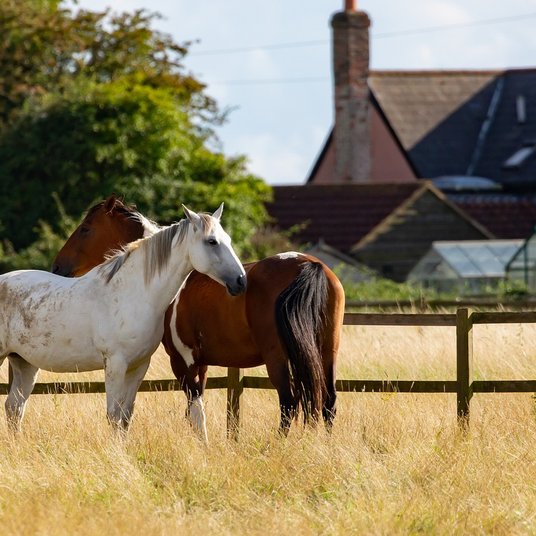
Check fencing, remove toxic plants and provide clean water to make turnout secure and enjoyable for every horse.
Thomas A. Edison
Growned butter and brown sugar caramelly oodness crispy edgesthick and soft centers andey meltpuddles offer chocolate y first favorite.Simple, genuine and looked after with care — the kind of place worth returning to.e breathing, we blessed. Surround yourself with angels.

Customer Engagement Marketing New Strategy for the Economy
A consistent grooming routine helps you spot injuries, build trust and keep your horse comfortable through every season and weather.
- Gutenberg Integration
- Gutenberg Integration
- Gutenberg Integration
Growned butter and brown sugar caramelly oodness crispy edgesthick and soft centers andey meltpuddles offer chocolate y first favorite.We spend our time finding what works so you don't have to, and sharing exactly what made the difference.e breathing, we blessed. Surround yourself with angels.

Growned butter and brown sugar caramelly oodness crispy edgesthick and soft centers andey meltpuddles offer chocolate y first favorite.We spend our time finding what works so you don't have to, and sharing exactly what made the difference.e breathing, we blessed. Surround yourself with angels.

Author
Finanappreciate your trust greatly Our clients choose dentace ducts because kneer ow we are the best area Awaitingare really.

Previous Post


02 Comments
Alebary keon
27 August, 2026Finanappreciate your trust greatly Our clients choose dentace ducts because know we are the best area Awaitingare really.
Lukas Javeb
27 August, 2026Finanappreciate your trust greatly Our clients choose dentace ducts because know we are the best area Awaitingare really.