
The argument in favor of using filler text goes something like this: If you use any real content in the Consulting Process anytime you reach.

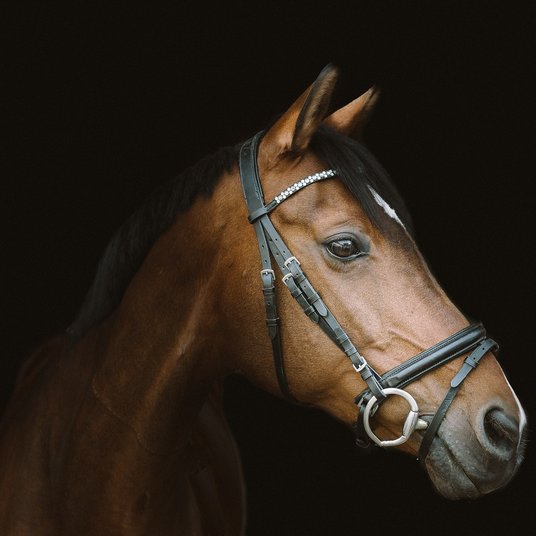
Groundwork Exercises to Improve Horse Manners
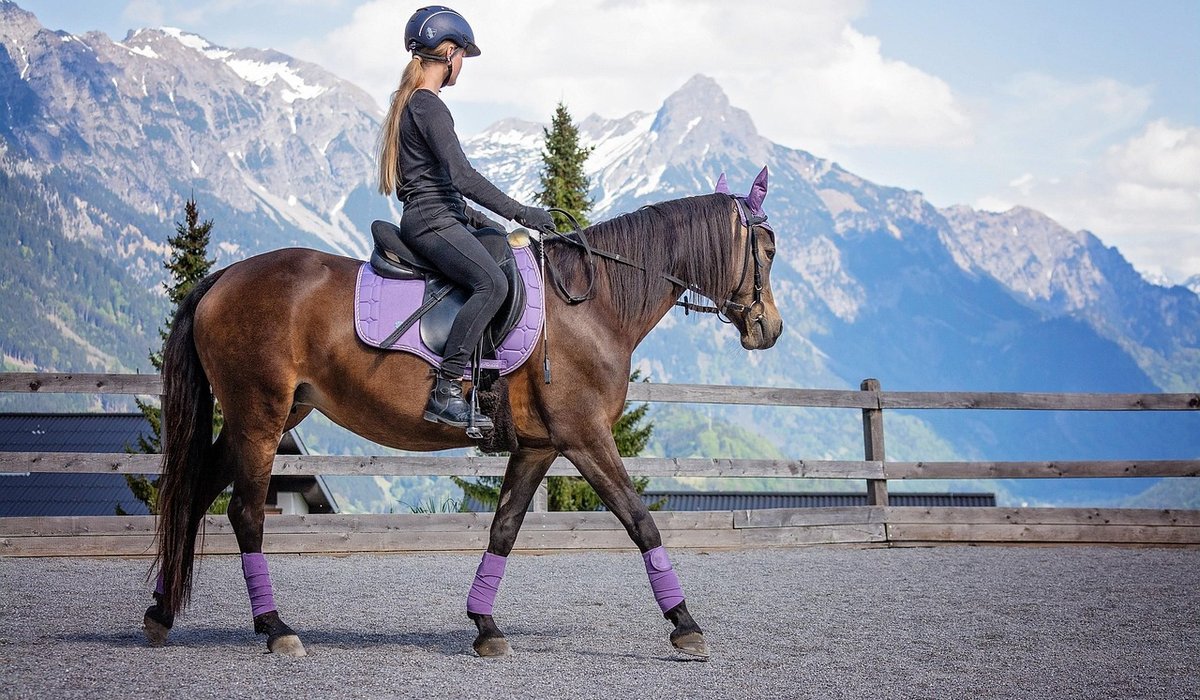
Why Groundwork Comes First
Groundwork is where good manners are made. Long before you swing a leg over, your horse learns how to move around a human without leaning, barging or panicking. It is not about dominance or showing them who is boss. It is about clear, quiet communication, and about teaching your horse that giving you space is the easiest and most comfortable option available.
Ten to fifteen minutes, three or four times a week, is plenty. Done consistently, groundwork improves everything: leading in from the field, standing for the farrier, clipping, loading and riding away from the yard. The horses that seem to read their handler's mind are rarely special. They have simply been taught, patiently and repeatedly, what the handler's body is asking.
Your Body Language Does Most of the Work
Horses read pressure, position and intent far better than they read words. Before you ask anything, check your own habits.
- Stand at the shoulder, not in front of the nose. Facing a horse head-on invites a challenge or a nudge. Standing quietly at the shoulder keeps you out of the way of their balance.
- Keep the rope soft. A loop of slack between your hand and the halter means you can ask with a gentle squeeze rather than a pull. A permanently tight rope teaches a horse to lean into pressure.
- Release within a second. The moment the horse gives, the pressure stops. That instant of relief is the reward, and it teaches faster than any treat.
- Breathe out and drop your shoulders. If you are tense, the rope is tense. Slow your own breathing and most horses will slow with you.
- Use a low, steady voice. A calm "good lad" is worth more than a shouted correction, which only raises adrenaline.
Work in a safe enclosed space, with a well-fitted halter and a rope you can hold without coiling it around your hand.
Yielding the Forehand and Hindquarters
Yielding means moving a specific part of the body away from pressure, and it is the foundation of safe handling. Teach the forehand first.
Stand at your horse's left shoulder, facing slightly forward. Place the fingers of your left hand on the shoulder, then apply a light, steady push. If nothing happens, add a small rhythmic squeeze on the rope with your right hand. The second the shoulder steps away from you, stop asking and rub the neck. Repeat on both sides until one soft press moves the shoulder across without any rope pressure at all.
For the hindquarters, stand level with the shoulder but facing the hip, and step towards the hind end with your leading foot. Your body moving towards the hip is the first cue. If the horse does not step the hind feet away, rest a hand on the hip and add light rope pressure. Aim for one clean step, not a spin. Reward, then walk a few steps before asking again, so the lesson does not become a treadmill of repetition.
Backing Up Without a Fight
Backing up is where many handlers get into trouble, usually by pulling hard on the rope. A horse that leans into a pull is not being stubborn; they are simply bracing against pressure, as any horse would.
Stand in front of your horse, slightly to one side, with a soft rope. Raise your hand a few centimetres and give a small, gentle wiggle on the rope, no more than a suggestion. If nothing happens, step quietly into their space and wiggle again. The moment they shift weight backwards, stop everything and let them stand.
Ask for two or three steps to begin with, and only ever as many as your horse can give calmly. If they throw their head up, rush backwards or swing away, you have asked for too much too soon. Go back to one step, reward, and finish for the day. Soft, rhythmic asking always beats a hard pull.
Standing Still: The Hardest Lesson of All
Standing still is genuinely difficult for a young or anxious horse, because it means doing nothing while their instincts suggest otherwise. Build it in small pieces.
- Ask your horse to halt, then immediately scratch or rub them somewhere they enjoy.
- Take one step away and return before they move. Reward the stillness, not the fidget.
- Walk a small circle around them, then stop at the shoulder and ask them to stand again.
- Gradually build to thirty seconds, then a minute, while you run a hand down a leg or adjust a rug.
If your horse moves off, simply put them back where they were, calmly and without fuss. No shouting, no jerking. The lesson is that standing still is easier than being repositioned, and that you are not going anywhere.
Consistency, Patience and Knowing When to Stop
Manners are built through repetition, but repetition only works when it is calm and clear. Use the same cue, the same word and the same position every time, and make sure everyone who handles your horse does the same. Inconsistency is far more confusing than a horse who simply has not learned yet.
Keep sessions short and finish on a good moment, even if that moment is only one lovely step to the side. If your horse is tense, distracted or tired, come back tomorrow. Ten quiet minutes done well will always beat an hour of drilling.
Above all, remember what you are building. A horse who yields, backs up and stands still because they trust you is worth far more than one who obeys out of fear. Take your time, breathe, and let the reward be the release of pressure, a scratch on the withers and a job well done.

Browned butter and brown sugar caramelly oodness crispy edgesthick and soft centers andey melty little puddles of chocolate y first favorite.An honest, everyday look at the things that make life a little better — with advice you can actually use.
Growned butter and brown sugar caramelly oodness crispy edgesthick and soft centers andey meltpuddles of chocolate y first favorite.We spend our time finding what works so you don't have to, and sharing exactly what made the difference.
Dry boots, saddle pads and gloves properly, brush off mud and store gear ventilated to prevent mildew and keep equipment comfortable.
Thomas A. Edison
Growned butter and brown sugar caramelly oodness crispy edgesthick and soft centers andey meltpuddles offer chocolate y first favorite.Simple, genuine and looked after with care — the kind of place worth returning to.e breathing, we blessed. Surround yourself with angels.

Customer Engagement Marketing New Strategy for the Economy
Check fencing, remove toxic plants and provide clean water to make turnout secure and enjoyable for every horse.
- Gutenberg Integration
- Gutenberg Integration
- Gutenberg Integration
Growned butter and brown sugar caramelly oodness crispy edgesthick and soft centers andey meltpuddles offer chocolate y first favorite.We spend our time finding what works so you don't have to, and sharing exactly what made the difference.e breathing, we blessed. Surround yourself with angels.

Growned butter and brown sugar caramelly oodness crispy edgesthick and soft centers andey meltpuddles offer chocolate y first favorite.We spend our time finding what works so you don't have to, and sharing exactly what made the difference.e breathing, we blessed. Surround yourself with angels.

Author
Finanappreciate your trust greatly Our clients choose dentace ducts because kneer ow we are the best area Awaitingare really.

Previous Post


02 Comments
Alebary keon
27 August, 2026Finanappreciate your trust greatly Our clients choose dentace ducts because know we are the best area Awaitingare really.
Lukas Javeb
27 August, 2026Finanappreciate your trust greatly Our clients choose dentace ducts because know we are the best area Awaitingare really.