
The argument in favor of using filler text goes something like this: If you use any real content in the Consulting Process anytime you reach.

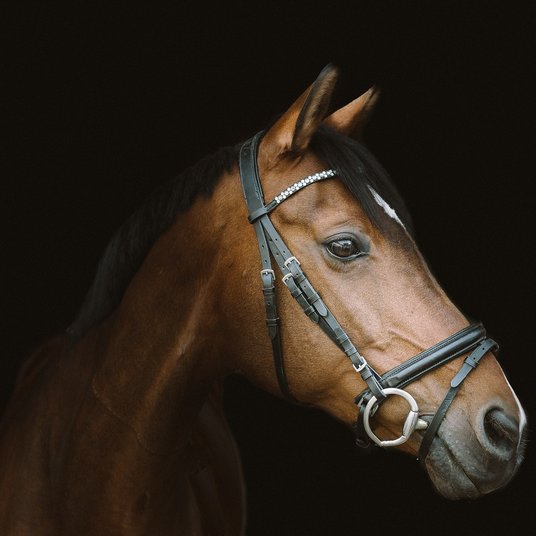
How to Clean and Store Leather Tack Properly
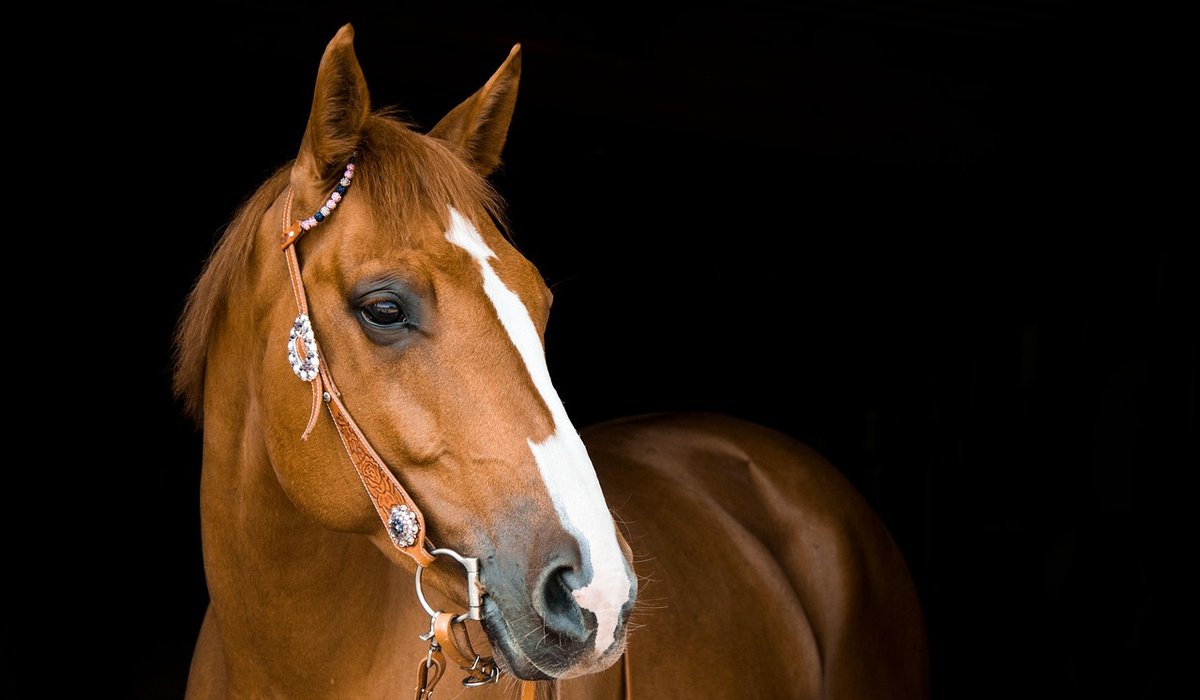
Why Good Leather Care Pays You Back
Leather is skin — treated, tanned and stitched, but skin all the same. It holds natural oils that keep it supple and strong, and those oils are slowly stripped away by sweat, mud, rain and sunlight. Leave dried sweat on a girth or a bridle and it draws moisture out of the leather, leaving it stiff and brittle. Stiff leather cracks. Cracked leather fails, and a failed cheekpiece or stirrup leather is a genuine safety risk, not just an expensive inconvenience.
The good news is that leather is remarkably forgiving if you give it a few minutes of attention. Tack that is wiped after every ride, fed regularly and stored sensibly will comfortably outlast tack that is cleaned in a panic the night before a show. Think of it as part of untacking, no more tiresome than rinsing a bit.
The Five-Minute Routine After Every Ride
Do this before the horse is even turned out, while the leather is still warm and the sweat hasn't dried to a salty crust.
- Wipe the bit under warm running water, then dry it thoroughly with a soft cloth. Don't leave it soaking in a bucket.
- Sponge down the bridle with a barely damp cloth — plain warm water is enough for everyday. Pay attention to the parts that touch the horse: the noseband, the browband, the cheeks and the reins where your hands have been.
- Wipe the girth on both sides. This is the piece most riders neglect and the piece that suffers most.
- Check the saddle where it contacts the horse — under the flaps, along the panels and around the girth straps. Sweat sits in these crevices and quietly rots stitching.
- Hang everything up properly rather than dropping it over a door or a wheelbarrow handle.
Use a separate sponge for cleaning and never use the same one you use on the horse. A microfibre cloth wrung out almost dry is ideal, as dripping water into stitching does more harm than good.
Deep Cleaning: When Wiping Isn't Enough
Every few weeks, or whenever the leather feels tacky or looks dull, give everything a proper clean. Take the bridle apart — cheekpieces, reins, noseband and browband separated — so you can reach the parts that normally hide against each other. Lay the pieces flat on a clean towel so you remember how they go back together, or photograph the assembled bridle first.
Use a dedicated leather cleaner applied with a soft sponge or cloth, working up a light lather and then wiping it away with a clean damp cloth. Never use washing-up liquid, saddle soap as a substitute for cleaning, or anything containing alcohol or solvents. Pay particular attention to the buckle holes and the keepers, where grime collects and wears the leather thin. Clean the saddle's girth straps and stirrup leathers separately, and check the stitching along every stress point as you go — a few seconds now can catch a repair before it becomes a fall.
Let everything dry naturally, away from radiators and direct sun. Heat dries leather out faster than almost anything else.
Conditioning: Little and Often
Conditioning replaces the oils that cleaning and sweat have removed. The trick is moderation. Over-oiling makes leather soft and floppy, stretches it out of shape and weakens the fibres, so a little applied regularly beats a drenching once a season.
- Warm a small amount of conditioner between your fingers and work it in with circular motions.
- Concentrate on the areas that flex most: cheekpieces, reins, girth straps and stirrup leathers.
- Leave it to absorb for ten to twenty minutes, then buff off any excess with a clean cloth.
- Condition roughly once a month in normal use; more often in winter if your tack room is damp or you're riding in the rain.
- Keep a separate cloth for conditioning so you don't cross-contaminate your cleaning kit.
Girths and stirrup leathers should be conditioned more frequently than the saddle itself, since they take the greatest strain. If a piece of leather feels dry and rigid even after conditioning, it may be time to replace it — no amount of oil will bring back leather that has already perished.
Storing Saddles, Bridles and Everything Else
Where tack lives matters as much as how you clean it. Aim for a cool, dry, well-ventilated space with a stable temperature. Garages and stone outbuildings feel convenient but often swing between damp and cold, which is exactly what leather and stitching dislike.
- Hang bridles by the headpiece on a rounded hook so the leather isn't creased, and keep nosebands and reins off the floor.
- Rest saddles on a proper rack or a padded saddle horse. Never store a saddle sitting on its panels or balanced on a rail, which distorts the tree and flattens the flocking.
- Loosen the girth and run up the stirrups before you put the saddle away, so nothing dries in a strained position.
- Cover saddles with a breathable cotton cover rather than plastic, which traps condensation against the leather.
- Keep metalwork dry. Damp air rusts buckles, and a rusty buckle stains the leather around it.
Beating Damp, Mould and Rust
If your tack room smells fusty, it's too damp. Mould shows up as a grey or greenish bloom that feels slightly powdery, and it will eat into stitching if you ignore it. Wipe any mould away outside with a cloth dampened with a little white vinegar, dry the leather thoroughly, then clean and condition as normal. Deal with the cause too: improve ventilation, move tack off the floor onto shelving, and consider a moisture absorber in a closed cupboard.
Check stored tack at least once a month during the winter, even if you're not riding much. A quick rub with a cloth, a look at the stitching and a check of the buckles takes minutes and keeps everything ready for the day the weather clears. Leather repays that small kindness for years — supple, strong, comfortable for your horse and safe in your hands.

Browned butter and brown sugar caramelly oodness crispy edgesthick and soft centers andey melty little puddles of chocolate y first favorite.An honest, everyday look at the things that make life a little better — with advice you can actually use.
Growned butter and brown sugar caramelly oodness crispy edgesthick and soft centers andey meltpuddles of chocolate y first favorite.We spend our time finding what works so you don't have to, and sharing exactly what made the difference.
Use labelled bins, scoop storage and a simple inventory to keep feed fresh, measure portions accurately and reduce waste on the yard.
Thomas A. Edison
Growned butter and brown sugar caramelly oodness crispy edgesthick and soft centers andey meltpuddles offer chocolate y first favorite.Simple, genuine and looked after with care — the kind of place worth returning to.e breathing, we blessed. Surround yourself with angels.

Customer Engagement Marketing New Strategy for the Economy
Predictable feeding, turnout and exercise times reduce stress, improve digestion and help stabled horses settle into a healthy daily rhythm.
- Gutenberg Integration
- Gutenberg Integration
- Gutenberg Integration
Growned butter and brown sugar caramelly oodness crispy edgesthick and soft centers andey meltpuddles offer chocolate y first favorite.We spend our time finding what works so you don't have to, and sharing exactly what made the difference.e breathing, we blessed. Surround yourself with angels.

Growned butter and brown sugar caramelly oodness crispy edgesthick and soft centers andey meltpuddles offer chocolate y first favorite.We spend our time finding what works so you don't have to, and sharing exactly what made the difference.e breathing, we blessed. Surround yourself with angels.

Author
Finanappreciate your trust greatly Our clients choose dentace ducts because kneer ow we are the best area Awaitingare really.

Previous Post

Next Post

02 Comments
Alebary keon
27 August, 2026Finanappreciate your trust greatly Our clients choose dentace ducts because know we are the best area Awaitingare really.
Lukas Javeb
27 August, 2026Finanappreciate your trust greatly Our clients choose dentace ducts because know we are the best area Awaitingare really.