
The argument in favor of using filler text goes something like this: If you use any real content in the Consulting Process anytime you reach.

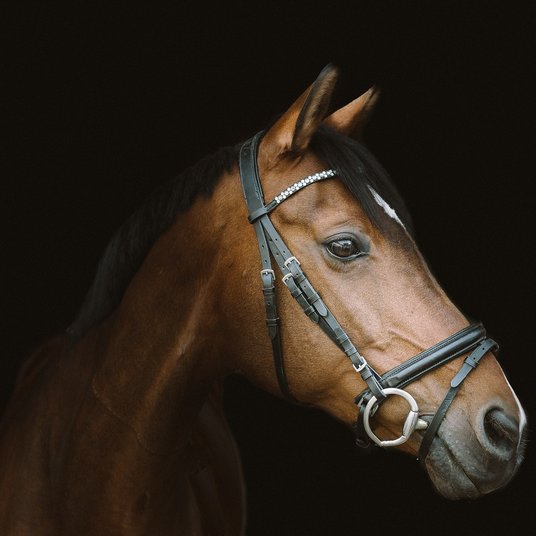
Understanding Your Horse's Body Condition Score
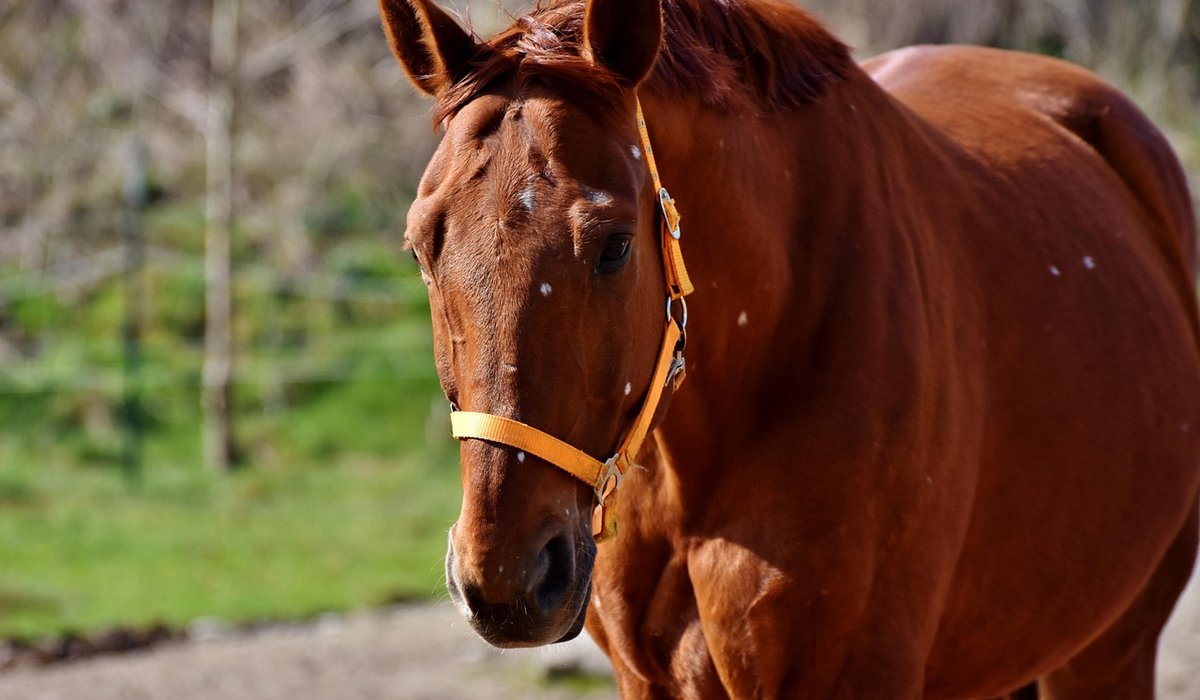
Why a Number Matters Less Than Your Hands
A weigh tape is a useful tool, and a set of platform scales is better still, but neither can tell you where the weight sits. A horse can carry a crest like a bull and weigh exactly the same as he did in May. Body condition scoring is simply the practice of running your hands over specific points on your horse and asking one question at each: how much fat is under my fingers? Done regularly, it gives you a trend, and a trend lets you change the feed bucket long before a problem becomes a veterinary one.
It takes five minutes and costs nothing. Learn it once and you will never rely solely on a weigh tape again.
Getting to Know the Scale
Most vets, nutritionists and welfare organisations in the UK use a 0 to 5 scale, though you may also come across the American 1 to 9 version. Whichever you use, be consistent. On the 0 to 5 scale:
- 0 — emaciated: ribs, spine and pelvic bones are obvious, with no fat covering and visible muscle wasting.
- 1 — poor: ribs are easily seen, the spine feels sharp, the neck is thin and the quarters are angular.
- 2 — moderate: ribs are faintly visible, the back is flat and the quarters are rounded but not heavy.
- 3 — good: ribs cannot be seen but are easily felt with light pressure; the neck flows smoothly into the shoulder.
- 4 — fat: ribs are felt only with firm pressure, there is a soft crest and sponginess over the tailhead.
- 5 — very fat: ribs cannot be felt at all, the back is broad and flat, and the crest, shoulders and rump carry deep fat pads.
Half points matter. A move from 3 to 3.5 over a summer is a real change worth acting on, particularly in a native pony or a cob.
The Four Key Areas — and How to Check Them
Work in the same order every time, and always do both sides, because horses carry fat unevenly. Stand safely to the side, never directly behind, and use a flat hand rather than poking with fingertips.
- Neck and crest: run your hand along the top of the neck from poll to withers. A firm, rounded crest that stays firm when the horse is relaxed is a warning sign, especially in good doers.
- Withers: feel across the withers. In a lean horse the bony structure is prominent; in a fat one it is cushioned and you struggle to find it.
- Ribs: press gently with a flat palm across the middle of the ribcage, behind the elbow. You should be able to feel each rib under a thin, springy covering. If you have to press hard, the score is climbing.
- Quarters and tailhead: run your hand over the point of the hip and the rump, then feel either side of the tailhead. Fat here feels soft and spongy; in a lean horse the bones feel angular.
Many horses do not score evenly. A cob might be a 4 on the neck and a 3 over the ribs, and it is the neck score — the one linked to insulin dysregulation — that deserves the most attention.
A Consistent Routine
To make your scores comparable, keep the conditions the same each time. Record the date, the score and any notes in a notebook or on your phone.
- Stand the horse square on level ground, ideally unrugged or with the rug off for the assessment.
- Score on the same day of each month, at the same time of day and at the same point in the feeding routine.
- Take two photographs: one side-on at shoulder height, one from directly behind at the level of the quarters. Repeat the same angles every month.
- Add a weigh tape or heart-girth measurement for a second data point, and use a second girth measurement if you can, taken further back.
- Clip a small window over the ribs and quarters, or at least part the coat by hand, so that a thick winter coat does not fool you — a heavy coat can easily hide half a score.
What the Score Is Really Telling You
If the score is creeping up, the answer is rarely to cut forage. Reduce hard feed first, swap to a low-calorie balancer to keep vitamin and mineral levels correct, restrict grazing during the spring flush using strip grazing or a muzzle, and increase ridden or in-hand work gradually. A score of 4 or above, or a crest that feels hard and thickened, warrants a conversation with your vet about laminitis risk.
If the score is falling, resist simply piling in more hard feed. Unexplained weight loss in a horse with good appetite often points to sharp enamel points or loose teeth, gastric ulcers, an ineffective worming programme, or, in older horses, pituitary pars intermedia dysfunction. Muscle loss along the topline with a pot-bellied appearance is a classic pattern in veterans and is worth testing for.
Recording and Acting Early
Small, regular adjustments beat dramatic interventions. Aim to change a horse's score by no more than half a point per month, and remember that the seasonal cycle works against you: most horses gain through late spring and early summer, and drop a little in late winter. Knowing where your horse sits in that pattern is how you stay ahead of it.
If you are unsure of your technique, ask your vet or an equine nutritionist to score your horse alongside you once. Comparing your hands with an experienced pair is the quickest way to sharpen your eye — and from then on, you will have a simple, honest measure of your horse's wellbeing in the palm of your hand.

Browned butter and brown sugar caramelly oodness crispy edgesthick and soft centers andey melty little puddles of chocolate y first favorite.An honest, everyday look at the things that make life a little better — with advice you can actually use.
Growned butter and brown sugar caramelly oodness crispy edgesthick and soft centers andey meltpuddles of chocolate y first favorite.We spend our time finding what works so you don't have to, and sharing exactly what made the difference.
Use a secure adjoining paddock, gradual introductions and careful supervision to reduce injury risk when new horses meet established groups.
Thomas A. Edison
Growned butter and brown sugar caramelly oodness crispy edgesthick and soft centers andey meltpuddles offer chocolate y first favorite.Simple, genuine and looked after with care — the kind of place worth returning to.e breathing, we blessed. Surround yourself with angels.

Customer Engagement Marketing New Strategy for the Economy
Learn the test, practise transitions and plan travel, turnout and warm-up so your first dressage outing feels calm and organised.
- Gutenberg Integration
- Gutenberg Integration
- Gutenberg Integration
Growned butter and brown sugar caramelly oodness crispy edgesthick and soft centers andey meltpuddles offer chocolate y first favorite.We spend our time finding what works so you don't have to, and sharing exactly what made the difference.e breathing, we blessed. Surround yourself with angels.

Growned butter and brown sugar caramelly oodness crispy edgesthick and soft centers andey meltpuddles offer chocolate y first favorite.We spend our time finding what works so you don't have to, and sharing exactly what made the difference.e breathing, we blessed. Surround yourself with angels.

Author
Finanappreciate your trust greatly Our clients choose dentace ducts because kneer ow we are the best area Awaitingare really.

Previous Post


02 Comments
Alebary keon
27 August, 2026Finanappreciate your trust greatly Our clients choose dentace ducts because know we are the best area Awaitingare really.
Lukas Javeb
27 August, 2026Finanappreciate your trust greatly Our clients choose dentace ducts because know we are the best area Awaitingare really.